Industry news
Who uses insurance broker services in Georgia, and how is the market developing?
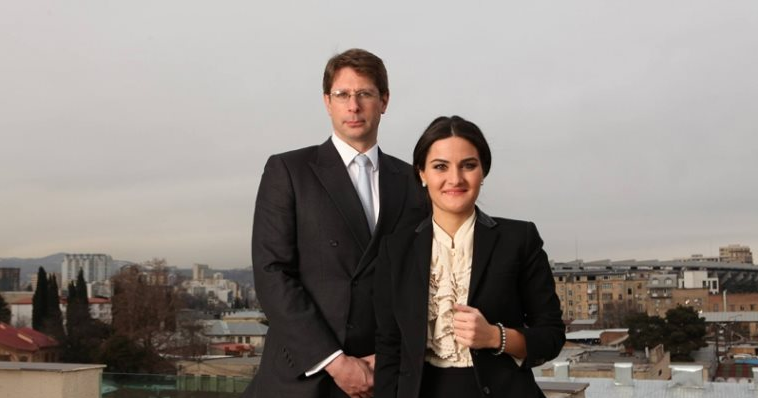
Who uses insurance broker services in Georgia, and how is the market developing? GS client adviser Mariam Tabagua and reinsurance specialist Ana Bakhutashvili explain
GS is the leading insurance broker on the Georgian market. As of 2023, the company manages an insurance portfolio of up to GEL 20 million.
In developed markets, more than 90% of businesses use an insurance broker; in Georgia the figure is around 7%. The company's goal is to raise this figure in Georgia too and build a culture of using brokers.
The team at GS has 15 years of experience on the Georgian insurance market. The company is a member of the Chartered Insurance Institute, and its staff hold the relevant insurance qualifications and diplomas.
Business Insider Georgia spoke with GS client adviser Mariam Tabagua and reinsurance specialist Ana Bakhutashvili about the state of the insurance broking market today and GS's approach.
What does insurance broking involve, and how has the market developed in Georgia?
Mariam:
Years ago, when only a handful of insurance companies operated in Georgia and few people used insurance, it was hard to see the need for brokers. Georgia is also a relatively small market, and clients tend to contact insurers directly or have long-standing relationships with one company. Over the years, however, the insurance market and demand for insurance products have grown, and broking has gradually taken root. It covers insurance advice, risk management, checking terms and exclusions, and more. With a broker involved, the client buys the right product for their risks, understands exactly what they are covered for and can make an informed decision. A broker's main job is to choose insurance that serves the client's best interests and needs.
It is worth highlighting the benefits a company gets from using a broker. The client saves time and resources, because the broker analyzes the risks, compares prices and terms and prepares the best offer. Brokers also stay involved all year round in any insurance matter, and especially in claims settlement.
In our experience, once clients start working with us they feel comfortable and see the real value of a broker. The market is clearly growing year after year. In 2022, about 6.3% of gross written premiums were placed through brokers: GEL 57 million out of GEL 900 million.
What needs to be done, by the sector and by you, to raise this figure in Georgia and make broking more widely accepted?
Mariam:
The Georgian insurance market is growing, the number of brokers is increasing, and companies increasingly see the need for a broker. We believe the field has great potential. We see several things that will help the sector develop. The first is raising awareness of insurance advisory services, because many companies don't realize how much an insurance consultant can do for them. Brokers themselves are working hard on this, and we try to meet as many potential clients as possible. Our existing clients also play an important part: based on their own experience, they recommend us to their partners and other companies. Sometimes clients call us themselves because they are interested in our services. The second factor is the country's economic growth. The bigger the economy and the more developed the financial sector and investment climate, the greater the demand for insurance, and the more the insurance market and the broking sector develop with it.
In your view, which aspects of broking still need to be regulated by law?
Mariam:
When we started out, much of the business was not regulated by law at all. Twelve years ago, for example, there was no separate body regulating brokers. A lot has been done since then to improve the legislation. It's good that reporting was introduced: we used to have no idea how much premium each broker placed or how large the market was, and today this information is public. Of course, as the sector develops it is possible, and desirable, to refine the legal framework further so that it comes as close as possible to international practice and standards.
As part of international insurance advisory groups, first Gras Savoye and then Willis Towers Watson (today's WTW), sharing international experience has always been part of our work, and we have always had the necessary procedures in place. When the insurance supervisor introduced certain requirements, such as an annual audit, a minimum capital for brokers and experience in insurance, we already met them.

Ana:
Our market is similar to those of Armenia and Azerbaijan, although a lot depends on economic development. When there are many large companies and big projects, foreign reinsurers also take an interest in developing the insurance market. Across the region the level of development is probably about the same, though Turkey is more advanced because its economy is further ahead.
Taking your own company as an example, which lines of insurance bring you the most clients, and how large is the portfolio you serve each year?
Mariam:
We are still closely tied to the insurance sector as a whole, where health insurance accounts for 41%. So we also have a fair number of clients in health insurance, around 30–40%. However, 60% of our total portfolio is other lines: property, motor, liability and more. We also handle non-standard products and reinsurance. Our portfolio grows every year. We try to measure our results against ourselves: where we were yesterday and where we are today. As of 2023, our total portfolio is up to GEL 20 million.
Besides the local market, how often do you broke business on foreign markets, or do you work only with insurers and clients inside the country?
Ana:
Because our work covers both insurance and reinsurance, we quite often place business on foreign markets to meet our clients' needs. On the reinsurance side, our clients include companies we have insured, who gain access to direct reinsurance capacity with our help, as well as insurers we actively help to place specific risks internationally. These can include cyber insurance, bankers blanket bonds, combined cover for ports and terminals, and more.
We also work closely with foreign insurance markets to introduce and develop new products locally. For example, we are currently developing an insurance product for solar panels in Georgia, with our international partners sharing their best practice.
We also have clients in the South Caucasus, Malta, Cyprus and elsewhere. Sometimes our own clients have a branch or office in another country, and we help them with insurance needs that arise abroad. We also actively serve the Georgian offices of international companies.
How much demand is there for brokers today, and what does supply and demand look like in this segment?
Ana:
The insurance sector as a whole, including insurance advisory services, is short of specialists, but as the market expands, the profession is becoming better known and more in demand.
The profession requires specialist insurance education, which is rarely taught in Georgia. Only a few universities offer insurance-related subjects, and it is quite hard to get an education focused on in-depth theory and practical skills. Most knowledge is gained through experience.
Our company is one of the local pioneers in developing the broking profession. Our employees have access to WTW's continuing education channels, including training courses and seminars. The company also pays for staff to sit exams in London that lead to an internationally recognized diploma.
How do you stay competitive on the Georgian insurance advisory market?
Ana:
We think what sets us apart above all is a personal approach focused on the client's best interests. We also focus on building and developing long-term partnerships, both with clients and with the insurance industry, meaning insurers and underwriters. That helps us stay competitive.
In international reinsurance, one of the key elements of insurance, and especially given Georgia's European prospects, we try to attract alternative rated markets to the Georgian market. Our growing reinsurance capabilities also help us maintain our position.
We also take an active part in business associations, events and initiatives, which keeps us closely connected with the community we serve.
Continuing education, which we mentioned earlier, is also important. We keep raising our level of knowledge so that we can advise clients correctly, and our professional approach also increases our partners' trust in us.
All of this allows us to meet
the diverse and evolving needs of the local market and stay competitive.
How do you see the future of insurance broking in Georgia?
Ana:
In developed markets more than 90% of businesses use an insurance broker; in Georgia the figure is around 7%. We believe it will grow.
We think one of the most important trends will be the integration of technology across the insurance industry. We are actively exploring international opportunities in this area and offering them to the local insurance market.
Public engagement is another important aspect. Driven by demand, it is expanding the broker's role, which in the modern sense goes beyond the traditional perception of brokers in Georgia and includes services such as
benchmarking and due diligence, which we actively provide.
We also believe the insurance broker's role will keep growing locally, both in developing existing products and in introducing new ones. For example, GS was the first broker on the Georgian market to introduce an international health insurance product that provides full medical cover not only in Georgia but across Europe or worldwide.
Why should a client choose GS, and what services and terms does the company offer existing and prospective clients?
Mariam:
First of all, because we already have 12 years of experience on the Georgian market. On top of that, WTW has been operating internationally for more than 200 years.
In any field, a company's track record is one of the deciding factors, and our many years of experience put us in a leading position when clients choose a broker. We also offer every client a personal service: we build a team around their needs that works on their risks and shares extensive knowledge and experience along the way.
Buying insurance is not an organization's core business. Companies specialize in all sorts of industries, and however long they arrange insurance in-house, they will never have the knowledge and experience of an insurance consultant who works in this field every day: someone who knows what the insurance industry can offer, what the terms are, what exclusions they contain, how insurers approach particular conditions, and so on.
We work only on insurance and we have the experience. We know every detail. GS is one of the first brokers on the market and has the largest portfolio. With us you get an independent, trusted partner and adviser who stands by you all year round, both when you buy insurance and when you make a claim.